
Texas’ data centre pause a warning for Alberta
Where the Lone Star State goes on electricity, Alberta is usually soon to follow

Texas has hit the brakes on roughly US$4.7 trillion in potential data centres, just days before it was to start reviewing proposals under a newly minted grid-reliability process. State leadership wants to go further than its already stringent measures, possibly to push weaker speculative proposals to the back of the line. Alberta may want to do the same.
Governor Greg Abbott has called Texas the “epicentre of AI development” based on 474 gigawatts (GW) in proposed data centres – more than five times Texas’ peak electricity demand. The Lone Star State is a hyperscaler’s dream. It has lots of wind, solar, and gas-fired generation, it likes to let landowners make use of their property and to let the market do its thing.
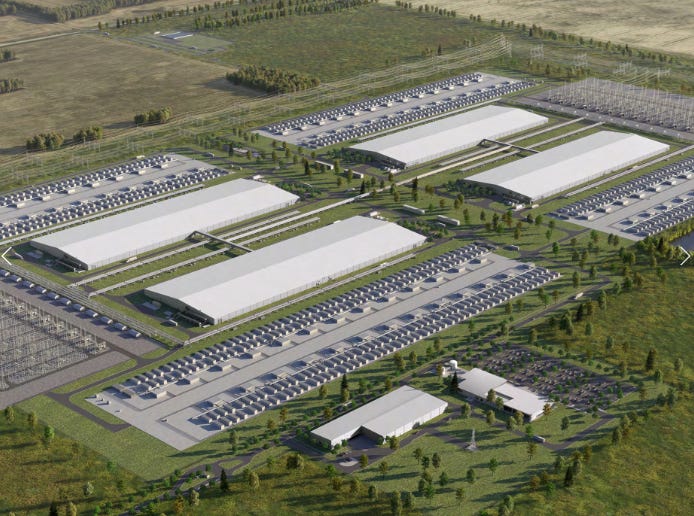
Sound familiar? Alberta is the only market-based grid in Canada, it prioritizes landowner rights and is determined to draw at least $100 billion in data centre investment by 2030. Alberta already has more than 21 GW of proposals awaiting the first application window, nearly double its peak demand. Meta’s recently announced 1 GW site near Edmonton would cost $13 billion alone.
These market attributes once made Texas and Alberta runaway hotspots for renewable energy investment. That is, until Texas adopted measures to disadvantage renewables and Alberta imposed its temporary moratorium on new wind and solar. Both still attract lots of renewables interest but their policies favour natural gas.
Catching most developers off-guard, Abbott has again decided there is a limit to market freedom in Texas. Not content to rely on the state’s new data centre framework, he asked its electricity regulator to audit all data centre proposals in the queue before any can advance toward interconnection.
Protecting the system
The Governor cited grid stability and reliability in his request, and the concerns are justified. Ratepayers across the U.S. have seen electricity prices spike due to the new demand. Data centres are also finicky loads that can trip offline, causing power outages. Texas and Alberta have individually developed similar grid-reliability regulations to address operational issues.
The new rules don’t solve the larger problem of so-called “phantom demand.” Speculators submit massive proposals to hold their place in the interconnection queues while they hunt for AI firms to occupy their data centres, which doesn’t always happen. The practice delays more advanced proposals and leads to expensive overbuilds of electricity infrastructure when the projects are abandoned or downsized.
Texas has adopted stricter measures than Alberta to limit this speculation but the Governor’s pause indicates more may be needed. If Texas hasn’t done enough, Alberta hasn’t either. Nevertheless, the province is set to start accepting data centre interconnection proposals in the next few weeks.
Learning from Texas
The province could consider adopting a made-in-Alberta version of some Texas’ measures before opening the floodgates. Texas requires a US$50,000/MW financial security from data centres looking to connect to the grid where upgrade costs are not known. (In addition to its system upgrade security and study cost fees.) When data centres miss key start-up milestones, they forfeit 80% of the deposit. No projects get the full amount back until at least five years of consistent operations at the agreed peak demand.
Alberta only requires a C$15,000/MW security deposit, which is fully returned if the data centre signs an interconnection agreement. There is no requirement for the data centre to operate for any period of time before recouping this upfront security. In short, data centres are only on the hook for their much smaller deposit during the few months Alberta’s system operator is studying their request to interconnect.
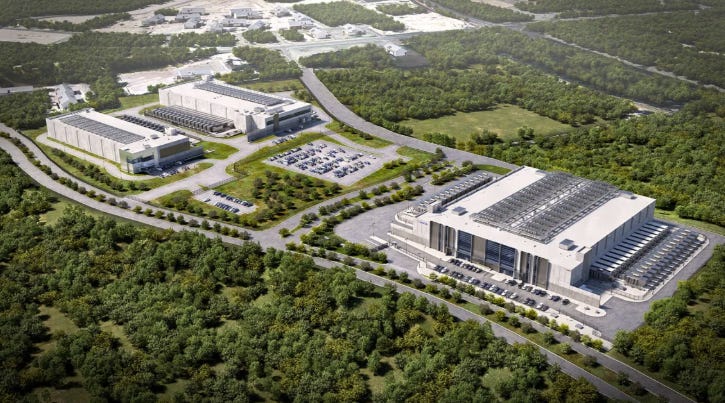
Texas also requires data centres to disclose other projects their affiliated company has proposed and whether any would be abandoned if one is successfully connected. This is useful info because a company could submit five 1 GW projects, hidden behind LLCs and numbered companies, knowing that it will only build the first one to have a connection improved and will abandon the rest. Alberta does not require this info.
Under the Governor’s directive, Texas will now require data centres to detail tax breaks received, water use and management, cooling systems, and any noise, light, and sound mitigation measures. None of which is required in Alberta yet and all of which could help its system operator prioritize advanced projects with plans to mitigate their impacts when reviewing applications.
These changes could be useful for Alberta even if its demand queue stays at roughly 22 GWs – almost twice its record peak. But the province could also be inundated with further requests once it starts accepting proposals.
Texas’ moratorium has created a lot of uncertainty as the state’s regulator and electricity system operator haven’t yet decided what the new review process may entail. At the same time, long interconnection queues and changing regulations in other U.S. electricity markets make Alberta’s open space, cooler weather, and welcoming government even more attractive. Its ample gas, solar, and wind resources, and loosened emissions standards only bolster its appeal.
Alberta could rapidly find itself in Texas’ shoes.