
Canada could kneecap clean energy incentives with new rules
Better to learn from the U.S., steer clear of ineffective domestic content regs

The Government of Canada is looking for feedback on new domestic content requirements for its clean energy tax credits, citing similar rules in the United States aimed at encouraging use of American-made equipment. The incentives haven’t worked as intended in the U.S. and they’re less likely to work here.
Canada hasn’t proposed specific regulations, instead asking broadly whether domestic content requirements should be adopted, to which components they should apply, and what should be considered “domestic.” The idea is to encourage or require renewable energy developers benefiting from the feds’ tax credits to use Canadian-made components as much as possible.
It’d be a great idea if Canada had a competitive wind turbine, solar module or battery cell supply chain. We do not. Still possibly a great idea if the economic activity stemming from the clean energy tax credits was expected to be significant enough to entice manufacturers to set up in Canada. It is not.
Strict domestic requirements could prevent renewable energy developers from accessing the broader tax credits, making Canada a less competitive investment market. Loose domestic requirements that developers could easily satisfy would be so limited as to be useless.
Canada would be better to target specific electricity technologies where the feds can focus manufacturing loans, tax credits, and direct contributions.
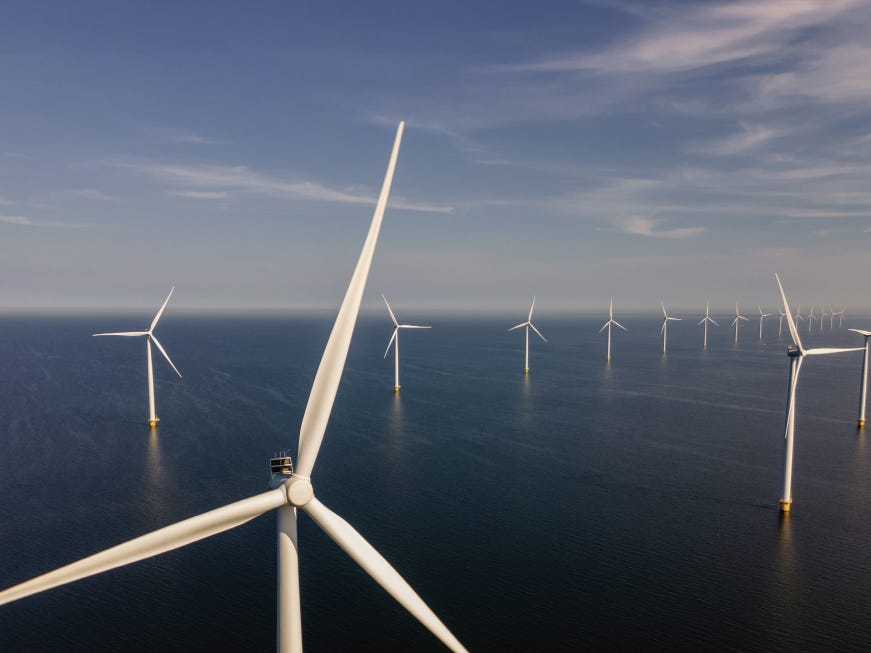
Domestic content attempts south of the border
The U.S. Inflation Reduction Act of 2022 provided roughly US$370 billion in climate and energy security spending, including tax credits for solar, BESS, land-based and offshore wind projects, and new manufacturing capacity.
It also offered bonus credits for energy projects incorporating U.S.-made components. The standard wasn’t mandatory and companies could access the underlying credits regardless of where they bought their equipment.
Congress set a high bar for the optional domestic content incentive but intended it to be achievable enough that companies would alter spending decisions to buy American even when U.S.-made products were more expensive. It mostly didn’t work because it takes years of economic certainty to build new manufacturing capacity, supply chains are complex, and making things in China is very inexpensive.
It’s hard to say exactly how ineffective the domestic content incentives would have been as the current administration subsequently took an axe to the broader renewable energy tax credits, overturned major climate change standards, and blocked offshore wind development. All of which introduced significant uncertainty and cooled investment in new manufacturing.
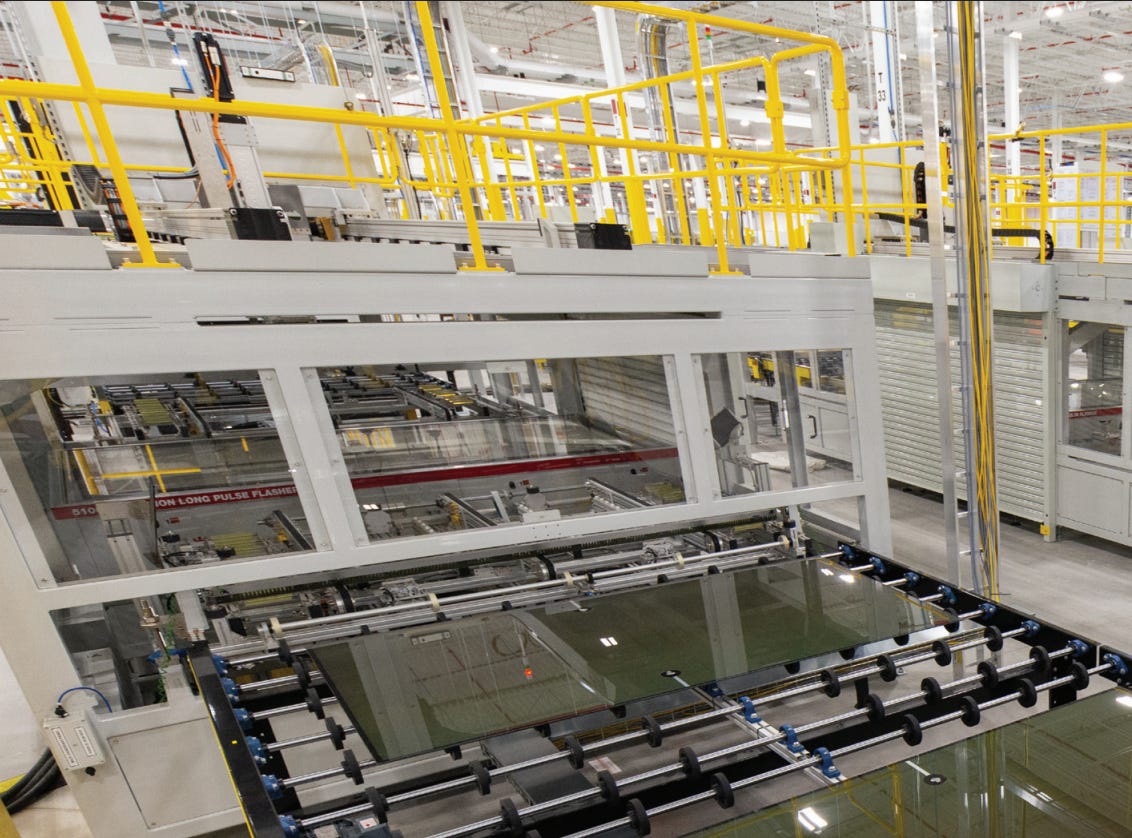
However, aside from the U.S.’ only major solar module maker, First Solar, ramping up capacity at its manufacturing facilities, no major manufacturing investments were made prior to Trump taking office. The U.S., which is much larger than Canada and had existing manufacturing capacity, couldn’t foster significant new investment with its painstakingly crafted domestic content credits. Canada should learn from this in designing our supply chain incentives.
Canada is too small to build multiple domestic supply chains
The U.S. dwarfs Canada in already installed renewable energy capacity and is expected to continue outpacing Canada in new development. The U.S. is similarly small compared to the EU, which is outmatched by development in China. Canada is competing for manufacturing dollars in this global landscape.

True, we’re spending. However, Canada’s clean energy tax credits were an answer to the U.S.’ tax credits to get back on par. Countries with more advanced supply chains are also investing, including China and Germany, which this month advanced €3 billion in clean energy manufacturing and materials processing funds.
If Canada adopts broad domestic content rules in the hopes of capturing parts of multiple supply chains, we will likely attract investment in none. Canada would be better to pick one or two technologies where we have a competitive regional advantage and more directly work with industry to support domestic supply chains.
For example, nuclear generation is expensive, prone to major outages, and small module reactor technology is unproven but Ontario is adding gigawatts of additional nuclear power to its grid. The U.S. has posted some big nuclear power goals but the relatively high-risk, long-term investment profile of nukes, compared to natural gas plants, makes them tricky bets for private investors. Canada could have a temporary edge.
Reactors, electronics and balance of plant purchased by governments in Ontario, Saskatchewan and New Brunswick should be constructed in Canada with support from provinces and the feds. Canada should also enrich its own uranium. Port Hope, Ontario already produces uranium hexafluoride, the feedstock for enriched uranium, from uranium mined in Saskatchewan.
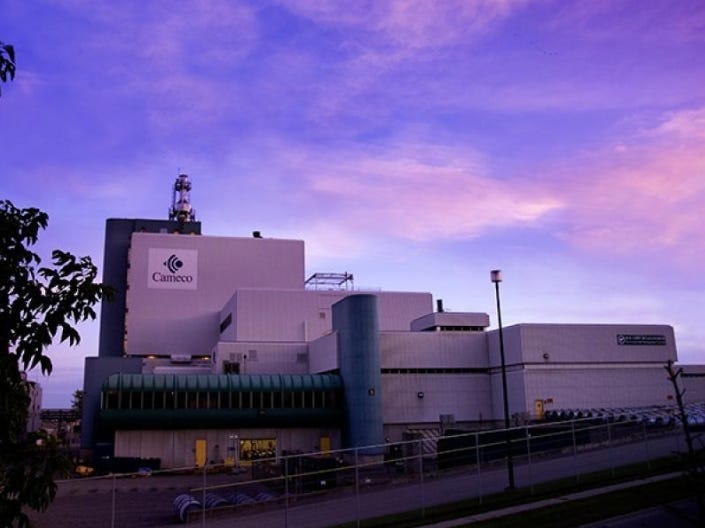
Along the same lines, the U.S. is a shaky market for offshore wind. The current U.S. administration withdrew offshore wind lease areas and in December halted construction on five projects. Courts have since intervened but the uncertainty damage has been done. Problems also existed prior to 2025, as projects were regularly delayed and cancelled due to local opposition, concerns about rate hikes, and turnovers in state government leadership.
Newfoundland and Nova Scotia are set to generate significant amounts of offshore wind power for sale elsewhere in Canada or into U.S. markets. The electricity generated could also produce green hydrogen and liquid natural gas, both of which are in hot demand in Europe. Offshore wind manufacturers tend to locate facilities near major projects. Canada could grab a foothold in the North American supply chain if we act before the U.S. sorts its issues.
The same could be true of a lithium batteries. Canada has lithium mining projects in Alberta, Ontario and Quebec, with processing plants also planned that would be well positioned to meet demand from within the country and from U.S. buyers looking to diversify away from China-based supply.
There are good options for the feds to investigate and push forward in a focused way. Temporary domestic content incentives tied to a few gigawatts of wind and solar development is not going to move the needle.